Women-Led States Could Redefine the Future of Energy
Feb 3, 2026
Article by Catherine Lane and Ana Almerini
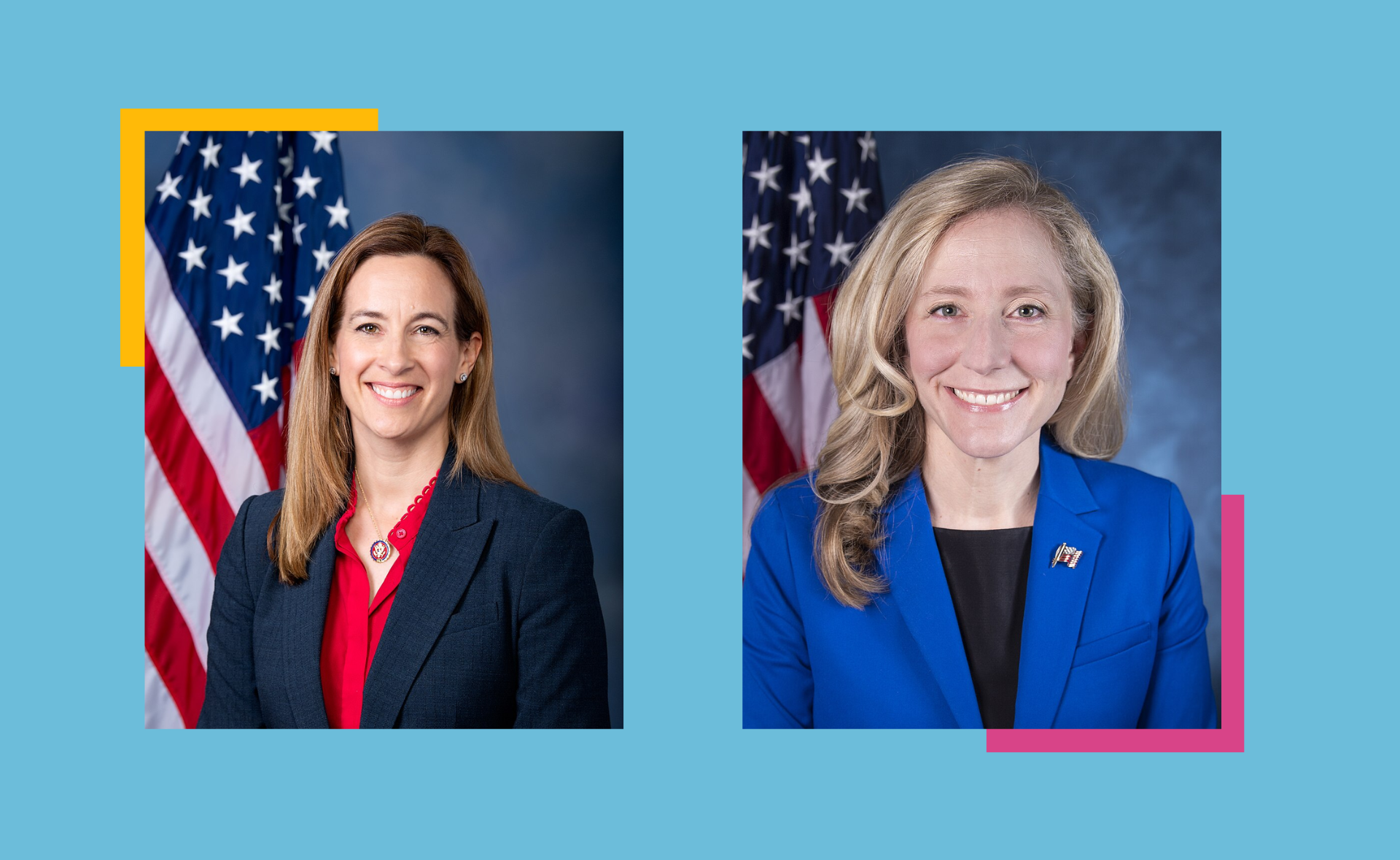
Women were the center of attention during the November 7, 2025, election, not only because a record number turned out to vote, but because two of the East Coast’s most populous and economically viable states, New Jersey and Virginia, elected women as their governors.
Voters were reacting to a plethora of issues, but record-high energy costs have struck a nerve, and they remain at the forefront of cost-of-living debates nationwide. Between 2024 and 2025, Residential retail electricity rates have increased by about 10.6% and 15% in New Jersey and Virginia, respectively, largely because there is simply not enough supply to meet ever-growing demand.
Both Governor Mikie Sherrill and Abigail Spanberger have pledged to expand generation capacity through sustainable energy resources, like solar, to satiate their states’ not-so-sustainable energy appetites. But are they prepared to support the trade workforces needed to build all of that energy infrastructure?
State energy policy is critical as federal support rolls back
Even though the country is energy-stressed, the federal government has made adding renewable energy to the grid even more challenging than it already was by revoking tax credits and incentives for residential and commercial solar, and completely cancelling offshore wind contracts.
Under the Biden Administration, solar tax credits were expanded, both the monetary incentive available and the years to claim the opportunity, through 2035. That ended under Trump, who took tax credits off the table for future residential solar panel installations, and shortened the commercial solar tax credit timelines while altering the rules to make them far more challenging to obtain. These changes also affected other renewable technology projects, such as wind.
In both New Jersey and Virginia, the newly-minted governors campaigned on expanding technologies like solar photovoltaics as part of their energy policies. Now, without federal support, the growth is entirely on the state's shoulders.
Energy opportunities in New Jersey
As the country’s most densely populated state, New Jersey struggles to supply energy for residents and businesses from available in-state power generation sources.
NJ utilities often do not own power generation sites and are forced to purchase energy from out-of-state power suppliers through a shared grid, which is one of the reasons that energy costs continue to climb by as much as 22%.
Mickie Sherrill has supported renewable energy and workforce development to meet energy demands throughout her tenure in Congress, and she has highlighted renewable energy as part of the answer to New Jersey’s high energy costs while recognizing that more power should be generated within the state through renewable energy implementation.
On the campaign trail, Sherril said that on day one of her administration, she would declare a state of emergency on utility costs and that promise held true, on January 20th, 2026. One solution noted in the State of Emergency is to immediately build out solar generation and battery power storage options across the state in an attempt to increase solar capacity before the deadline to receive commercial credits ends in July 2026.
To support energy expansion, the Sherrill administration is recruiting women across the energy sector to lead the “Making Energy Affordable and More Reliable” transition team, including former DOE Secretary Jennifer Granholm and Allison Clements, a Commissioner on the Federal Energy Regulatory Commission.
While these women have the capacity to lead this energy opportunity, direct mention of workforce development to build it out has not yet been defined.
Renewables’ potential to help Virginia’s energy affordability
Virginia has long been a main character in the nation’s energy story, starting back in the 1700s when it became home to North America’s first commercial coal mine, powering economic growth before the industry’s eventual decline.
Now, under Governor Spanberger, the Old Dominion has the potential to reassert itself as the center of the power-generation narrative. Throughout her campaign, Spanberger highlighted increasing Virginia’s energy independence using renewable sources to relieve increasing pressure on the state’s grid, driven in part by its large concentration of data centers.
Nicknamed “Data Center Alley”, the northern portion of Virginia hosts some of the world’s largest data centers, with additional utility requests to bring more facilities online. All that data center growth, paired with notoriously slow interconnection timelines under grid operator PJM, will only put more stress on its infrastructure and potentially shift additional energy costs onto customers.
Spanberger wants those data centers to pay their fair share by encouraging on and off-site generation and storage facilities to meet their growing power needs. She’s also proposed expanding solar development in “commonsense locations”, like former mining and industrial sites, parking lots, and the roofs of schools and public buildings to help ease grid demand.
Additional campaign proposals included encouraging the growth of other energy technologies, requiring utilities to increase investments in storage facilities, new processes for reviewing and reporting grid infrastructure utilization and demand growth estimates, and eliminating red tape for certain energy projects.
All of this, she hopes, will serve as solutions to the energy crisis and open up new economic opportunities. “Whether it’s in the construction and manufacturing installation, those jobs should be right here in Virginia,” Spanberger said of energy deployment.
Who is building this new generation?
Both Mikie Sherrill and Abigail Spanberger will likely put importance on accelerating renewables to ease energy affordability concerns of their constituents and as an avenue for job growth.
These sectors rely on trade labor, and if they want the growth they're seeking, they need to figure out how to build these workforces. While both have supported workforce legislation during their time in Congress, they haven’t addressed the very real gender equity gap in these critical sectors for their plans.
Trades are overwhelmingly male, with just 22% of global solar installation and construction jobs held by women. Without thoughtful plans, the gender equity gap will only continue to exist. If we truly want to unlock the future of solar and renewables, there needs to be clear pathways for women to enter the workforce, and we urge both governors to encourage women to be a part of the energy future in their states.
